In the global fight against environmental degradation, education stands out as a fundamental tool for fostering sustainable practices and attitudes. Beyond traditional classroom settings, non-formal learning environments are proving to be highly effective in engaging individuals, particularly youth, in meaningful environmental education. Initiatives like the Erasmus+ Youth for the Environment project exemplify how non-formal learning can play a pivotal role in equipping young people with the knowledge, skills, and motivation to contribute to environmental sustainability.
Understanding Non-Formal Learning
Non-formal learning refers to educational activities that occur outside the formal academic curriculum. These can include workshops, community projects, seminars, and online courses, among others. This type of learning is characterized by its flexibility, learner-centered approach, and emphasis on practical skills and personal development. In the context of environmental education, non-formal learning offers a dynamic and interactive platform for exploring complex topics like climate change, biodiversity loss, and sustainable living.
Engaging Youth in Environmental Stewardship
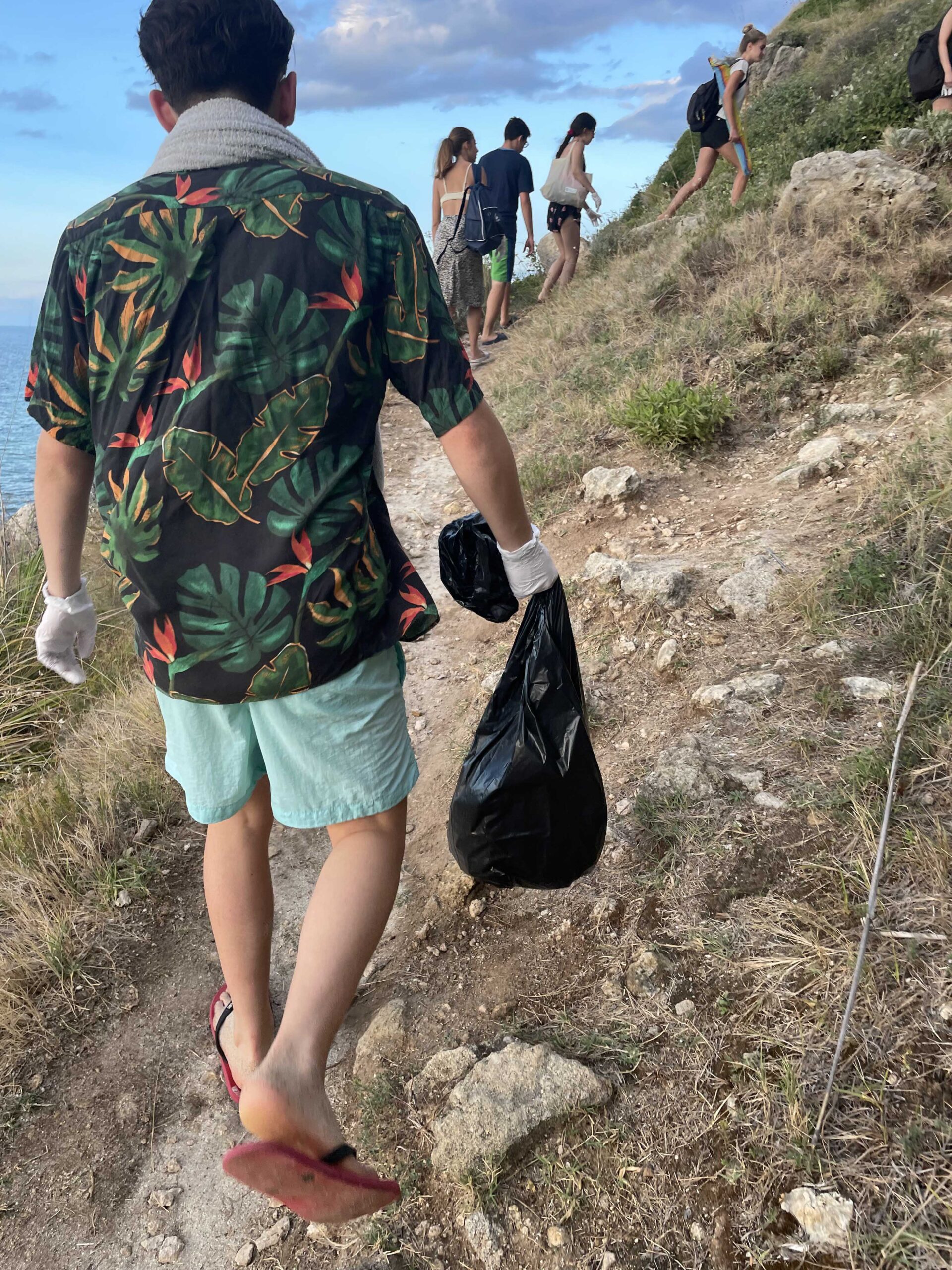
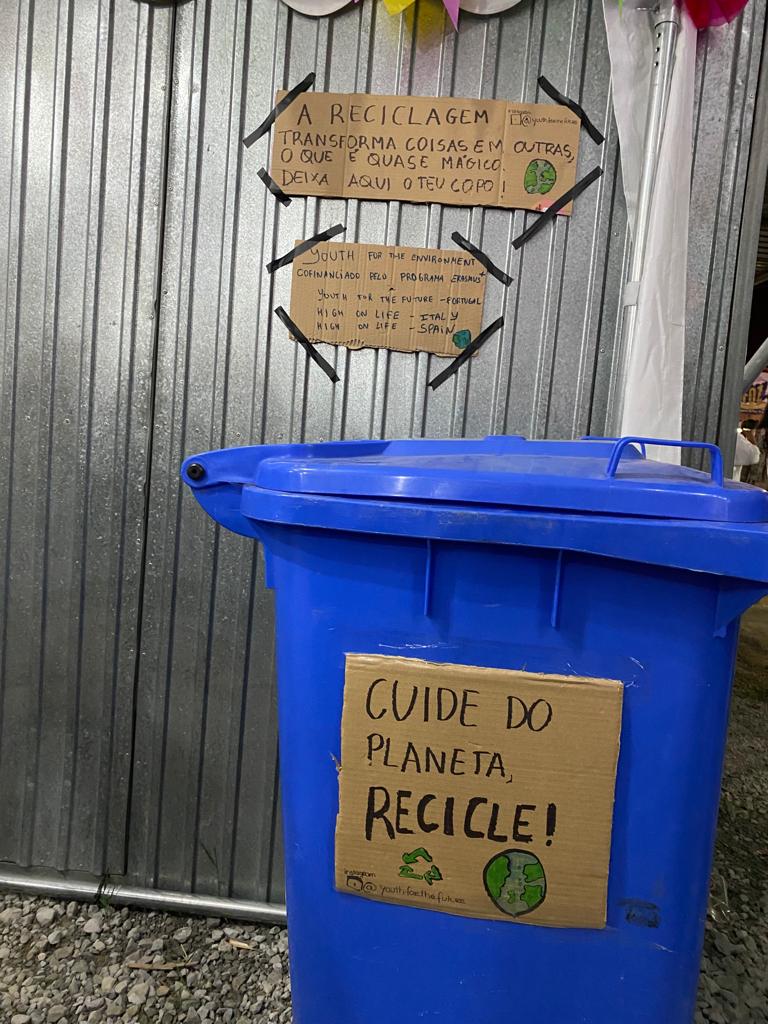
The Erasmus+ Youth for the Environment project highlights the significance of non-formal learning in mobilizing young individuals towards environmental stewardship. By participating in activities designed to raise awareness and stimulate action, young people can develop a deeper understanding of environmental issues and their underlying causes. These experiences not only foster critical thinking and problem-solving skills but also inspire a sense of responsibility and agency in addressing environmental challenges.
The Benefits of Non-Formal Environmental Education
Non-formal environmental education offers several advantages over traditional learning methods, including
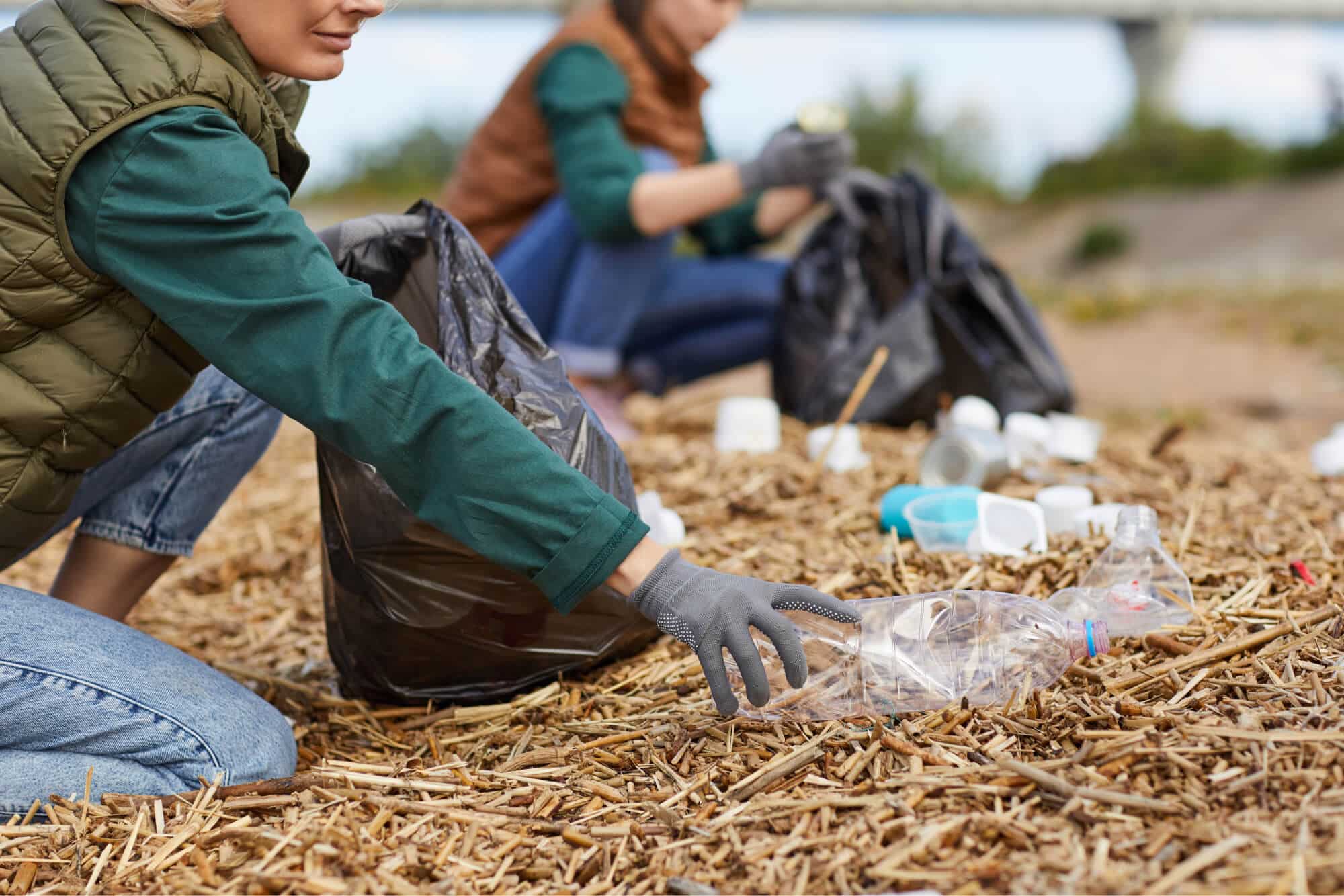
Hands-on Learning: Engaging directly with environmental projects allows learners to apply theoretical knowledge in real-world contexts, enhancing their learning experience and retention of information.
Personal and Social Development: Activities often require teamwork, leadership, and communication, helping participants to develop valuable life skills.
Increased Motivation and Engagement: The interactive and participatory nature of non-formal learning can foster greater interest and enthusiasm for environmental topics among youth.
Flexibility and Accessibility: Non-formal education can be tailored to meet the needs and interests of diverse groups, making environmental education more inclusive and accessible to all.
Empowering Future Generations
By integrating non-formal learning into environmental education, initiatives like the Erasmus+ Youth for the Environment are paving the way for a more sustainable future. These programs empower young people to become active participants in their communities, advocating for environmental protection and sustainability. The knowledge and experiences gained through non-formal learning equip youth with the tools they need to make informed decisions and take meaningful action on environmental issues.
Conclusion
Non-formal learning offers a powerful approach to environmental education, one that is well-suited to the complexities and urgencies of the sustainability challenges we face today. Through projects like Erasmus+ Youth for the Environment, non-formal learning is being recognized and utilized as a key element in cultivating an environmentally conscious and proactive generation. As we continue to confront the environmental crisis, the role of non-formal education in shaping informed, committed, and empowered individuals will undoubtedly be crucial in our collective journey towards a more sustainable world.