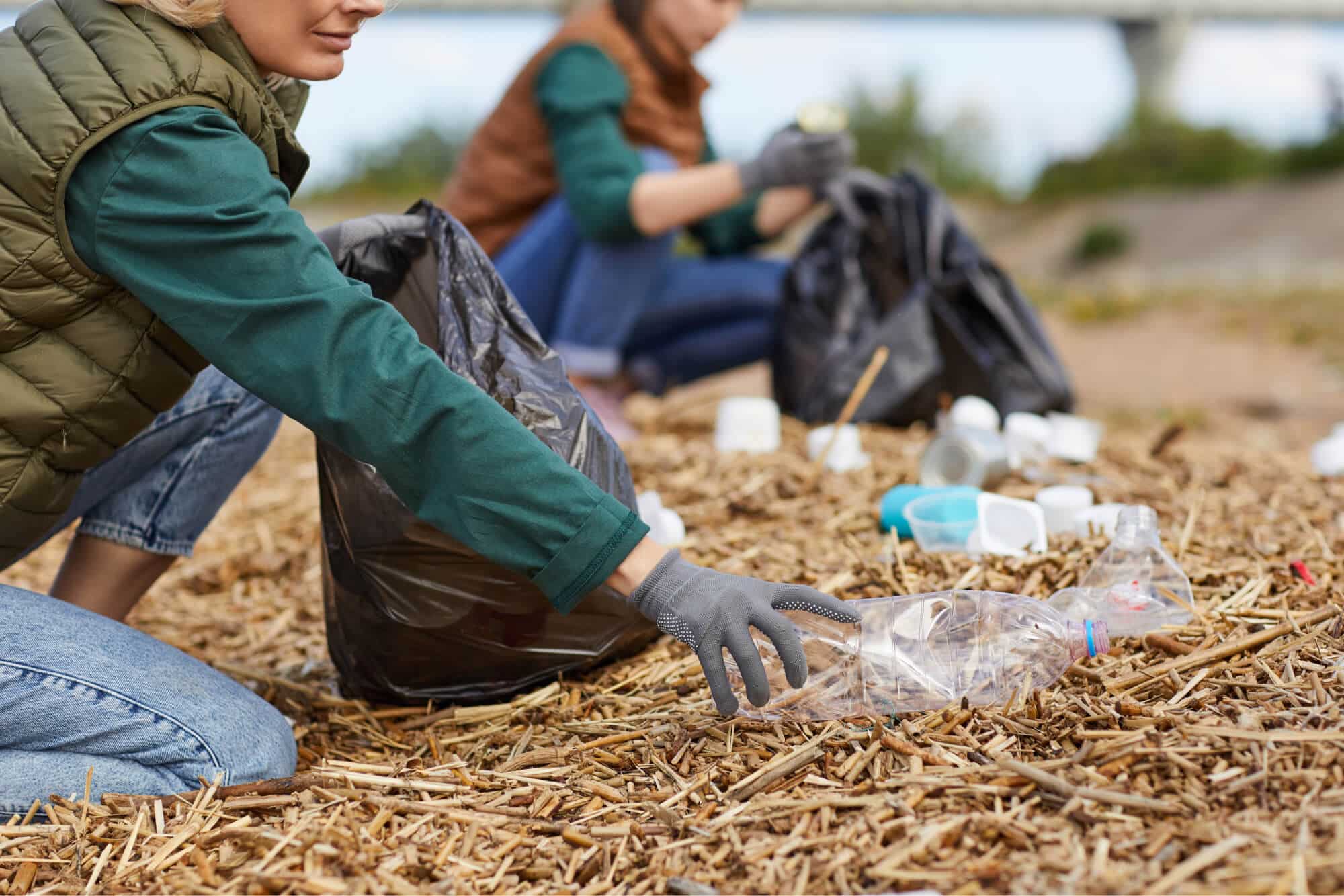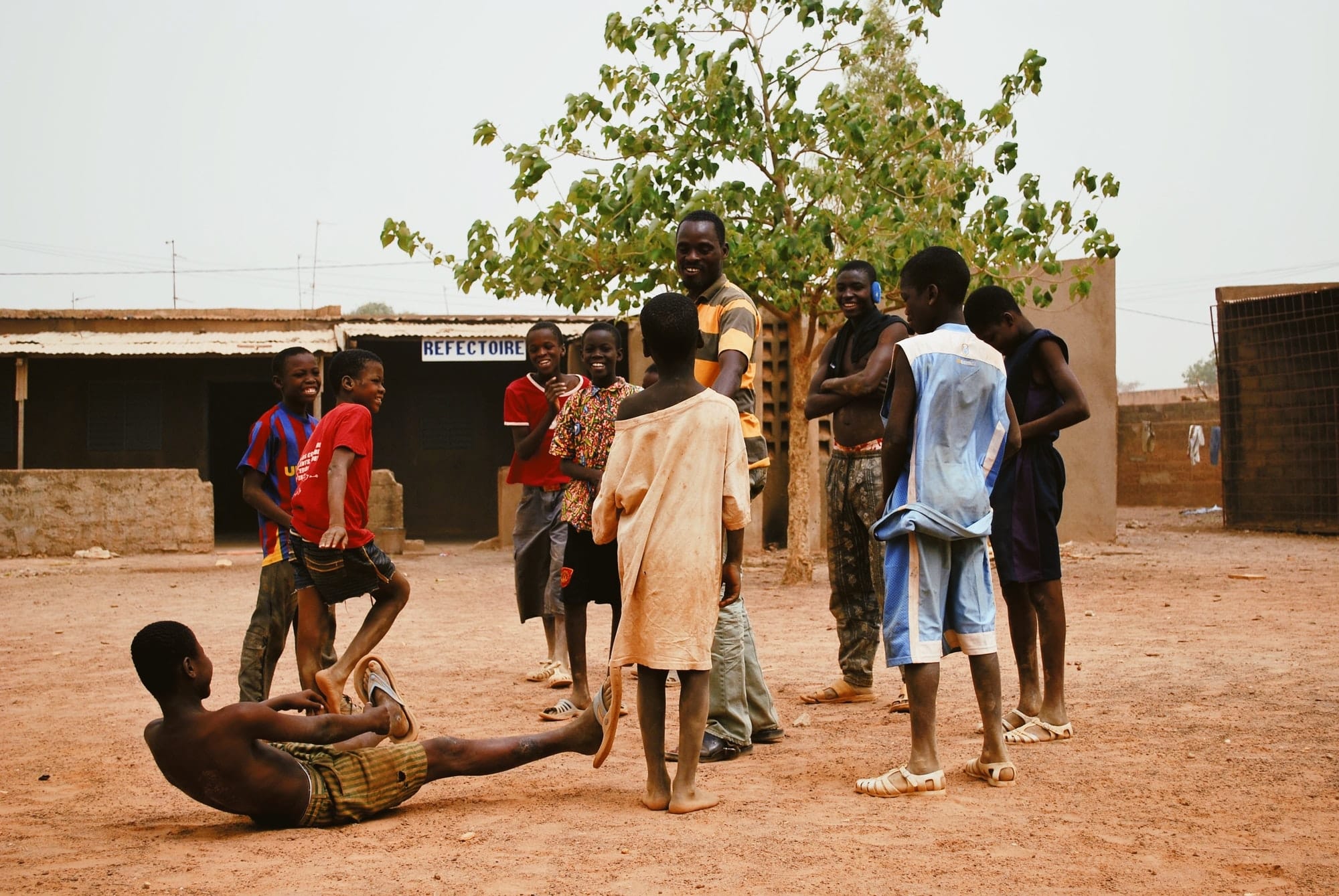
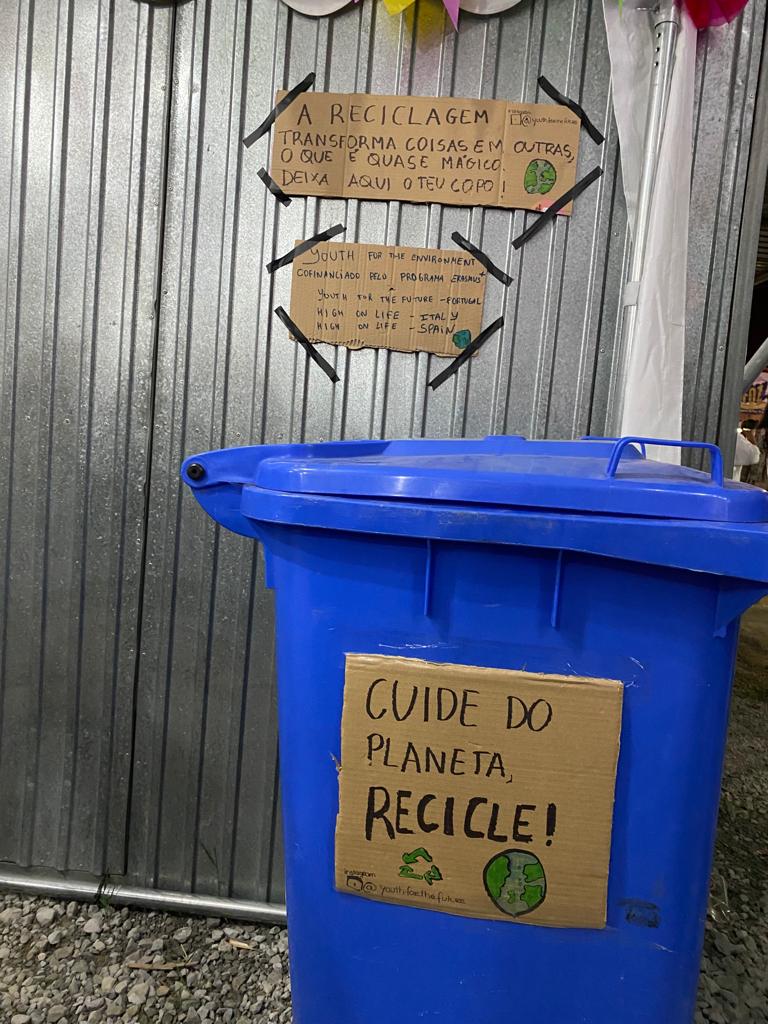
In the face of mounting environmental challenges, the imperative for a sustainable future has never been more critical. Central to this endeavor is the cultivation of green skills through comprehensive environmental education. As the world grapples with climate change, biodiversity loss, and resource depletion, equipping individuals with the knowledge and skills to navigate and mitigate these issues is paramount. This article delves into the essence of green skills, the pivotal role of environmental education in fostering them, and the broader implications for sustainable development and employment opportunities.
Understanding Green Skills
Green skills encompass a broad range of competencies and knowledge that enable individuals to contribute to preserving environmental quality and implementing sustainable practices. These skills are not limited to technical know-how in renewable energy or conservation techniques but also include critical thinking, problem-solving, and an understanding of ecological principles. As such, green skills are integral for professionals across various sectors, from engineering and architecture to agriculture and beyond, enabling them to innovate and operate within the bounds of sustainability.
The Role of Environmental Education
Environmental education serves as the bridge between current practices and a sustainable future. By integrating environmental education into both formal education systems and non-formal learning environments, societies can cultivate a populace well-versed in the complexities of environmental issues and equipped with the skills to address them. This education is not just about imparting knowledge; it’s about shaping attitudes, inspiring innovation, and fostering a culture of responsibility towards the planet.
The benefits of environmental education extend beyond individual enlightenment. In schools, it encourages curiosity and engagement with the natural world, laying a foundation for lifelong environmental stewardship. In non-formal settings, such as community workshops and online platforms, it reaches a broader audience, engaging individuals of all ages and backgrounds in the dialogue on sustainability.
Bridging the Gap
The transition to a green economy necessitates a workforce skilled in sustainable practices. Bridging the gap through environmental education means not only equipping individuals with green skills but also ensuring that these skills are relevant to the labor market. This alignment is crucial for driving innovation in green technologies and practices, which are essential for mitigating climate change and supporting sustainable development.
Moreover, the demand for green skills is rising as governments and businesses commit to environmental goals. This shift represents a significant opportunity for job creation in sectors focused on energy efficiency, renewable energy, sustainable agriculture, and waste management, among others. By prioritizing environmental education, societies can prepare their workforces to meet the demands of the green economy, ensuring that economic growth does not come at the expense of ecological health.
Conclusion
The development of green skills through environmental education is a cornerstone of sustainable development. By fostering a deep understanding of environmental issues and the competencies to address them, environmental education prepares individuals not only for the challenges of today but also for the opportunities of tomorrow. As the world continues to navigate the complexities of climate change and environmental degradation, the role of environmental education in bridging the gap to a sustainable future has never been more important. In cultivating green skills, we pave the way for innovation, sustainability, and resilience in the face of environmental challenges, ensuring a healthier planet for generations to come.