
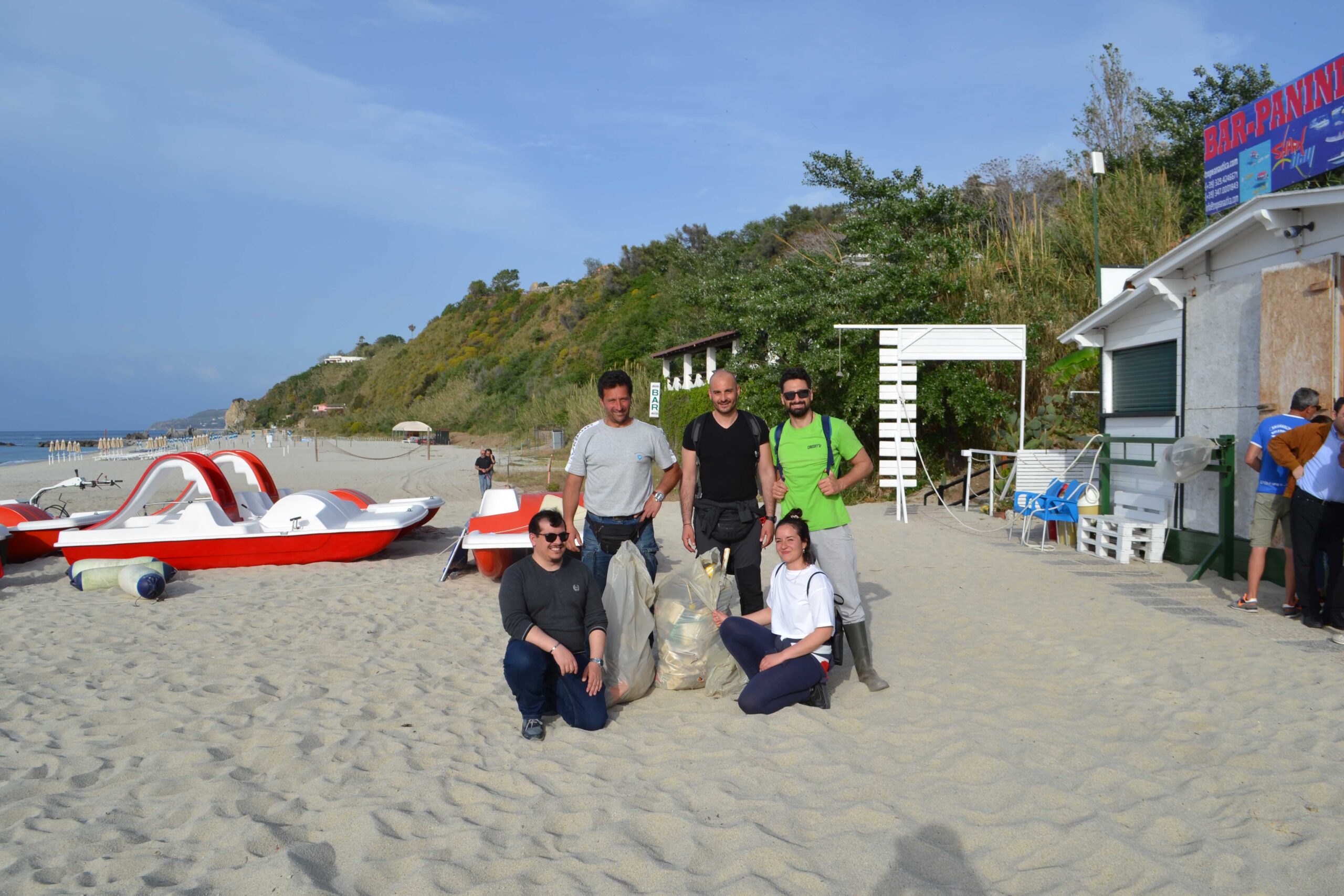
In the global effort to combat environmental degradation and climate crisis, grassroots movements have emerged as powerful agents of change. These community-led initiatives play a crucial role in mobilizing individuals, influencing policy, and fostering sustainable practices at the local level. Through the active engagement of citizens in environmental advocacy and action, grassroots movements are creating significant impacts on both local and global scales. Projects like Erasmus+ Youth for the Environment underscore the importance of supporting grassroots activities as a means to empower communities and drive meaningful environmental progress.
The Power of Community Action
Grassroots movements are built on the premise that collective action at the community level can lead to substantial environmental improvements. By focusing on local issues, such as pollution, deforestation, or unsustainable agricultural practices, these movements address environmental challenges through direct action and advocacy. The success of grassroots initiatives lies in their ability to galvanize community support, create a sense of ownership over environmental outcomes, and implement solutions that are tailored to local needs and contexts.
Driving Policy Change
One of the most impactful aspects of grassroots movements is their capacity to influence environmental policy. Through persistent advocacy, public demonstrations, and engagement with policymakers, grassroots organizations can bring attention to critical environmental issues and push for legislative and regulatory changes. By providing a platform for community voices, especially those of marginalized or underrepresented groups, grassroots movements ensure that environmental policies are inclusive and equitable.
The Role of Education and Awareness
Grassroots activities often prioritize education and awareness-raising as key strategies for environmental change. By informing communities about the causes and consequences of environmental issues, as well as potential solutions, grassroots movements empower individuals to make more sustainable choices in their daily lives. Projects like Erasmus+ Youth for the Environment contribute to these educational efforts by providing resources, training, and support for community-based environmental initiatives, thereby enhancing their effectiveness and reach.
Fostering Global Networks
While grassroots movements are inherently local, they frequently form alliances and networks that span regions and countries. These global partnerships amplify the impact of local actions, enabling the exchange of ideas, strategies, and best practices. Through collaboration, grassroots movements can tackle transboundary environmental issues more effectively and advocate for change on an international scale.
The Importance of Youth Engagement
Youth play a pivotal role in grassroots movements, bringing energy, creativity, and a sense of urgency to environmental activism. Initiatives like Erasmus+ Youth for the Environment not only engage young people in environmental projects but also equip them with the leadership and organizational skills necessary to lead grassroots movements. By fostering a generation of environmentally conscious leaders, these projects ensure the sustainability and resilience of grassroots efforts in the long term.
Conclusion
Grassroots movements are at the forefront of the fight against environmental degradation and the climate crisis. By leveraging the power of community action, influencing policy, raising awareness, and fostering global networks, these movements are making significant strides toward a more sustainable and equitable world. Through the support of initiatives like Erasmus+ Youth for the Environment, the vital work of grassroots movements can continue to grow, inspiring and mobilizing communities around the globe to take action for the planet.