The environmental crisis, characterized by climate change, biodiversity loss, and pollution, presents one of the most pressing challenges for the European Union (EU) and its member states. In response, the EU has embarked on ambitious initiatives aimed at mitigating environmental degradation and fostering sustainable development. Among these efforts, the engagement of youth and community-based projects like the Erasmus+ Youth for the Environment play a crucial role in amplifying the impact of EU actions and ensuring a greener, more sustainable future for all.
The European Green Deal: A Blueprint for Sustainability
At the heart of the EU’s response to the environmental crisis is the European Green Deal. This comprehensive plan aims to make Europe the first climate-neutral continent by 2050, promoting economic growth decoupled from resource use. The Green Deal encompasses a wide range of policies, from reducing greenhouse gas emissions to investing in green technology and preserving natural habitats. It represents a holistic approach to tackling climate change, emphasizing the need for systemic change across all sectors of the economy.
Youth Engagement: Fostering Environmental Stewardship
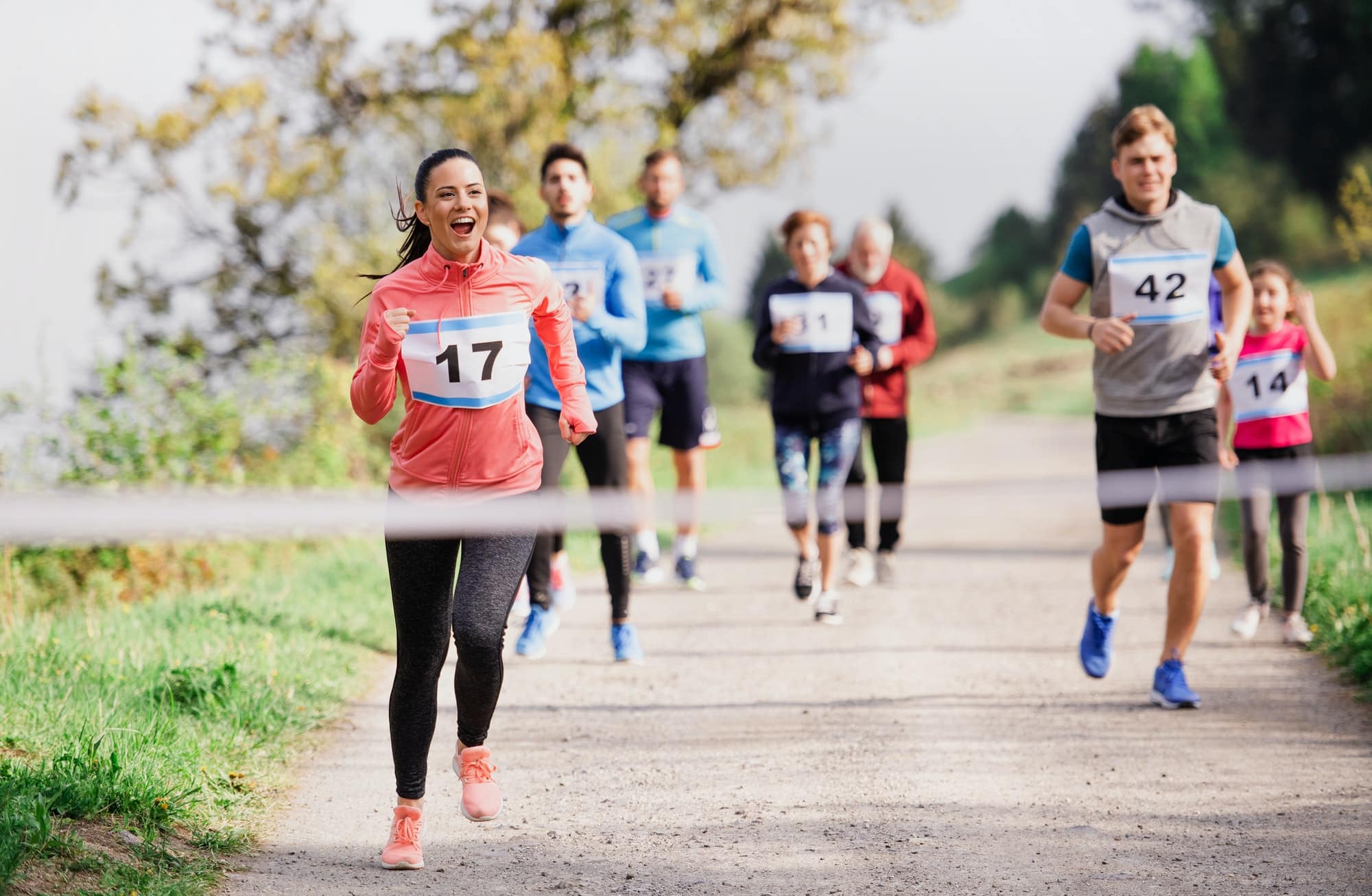
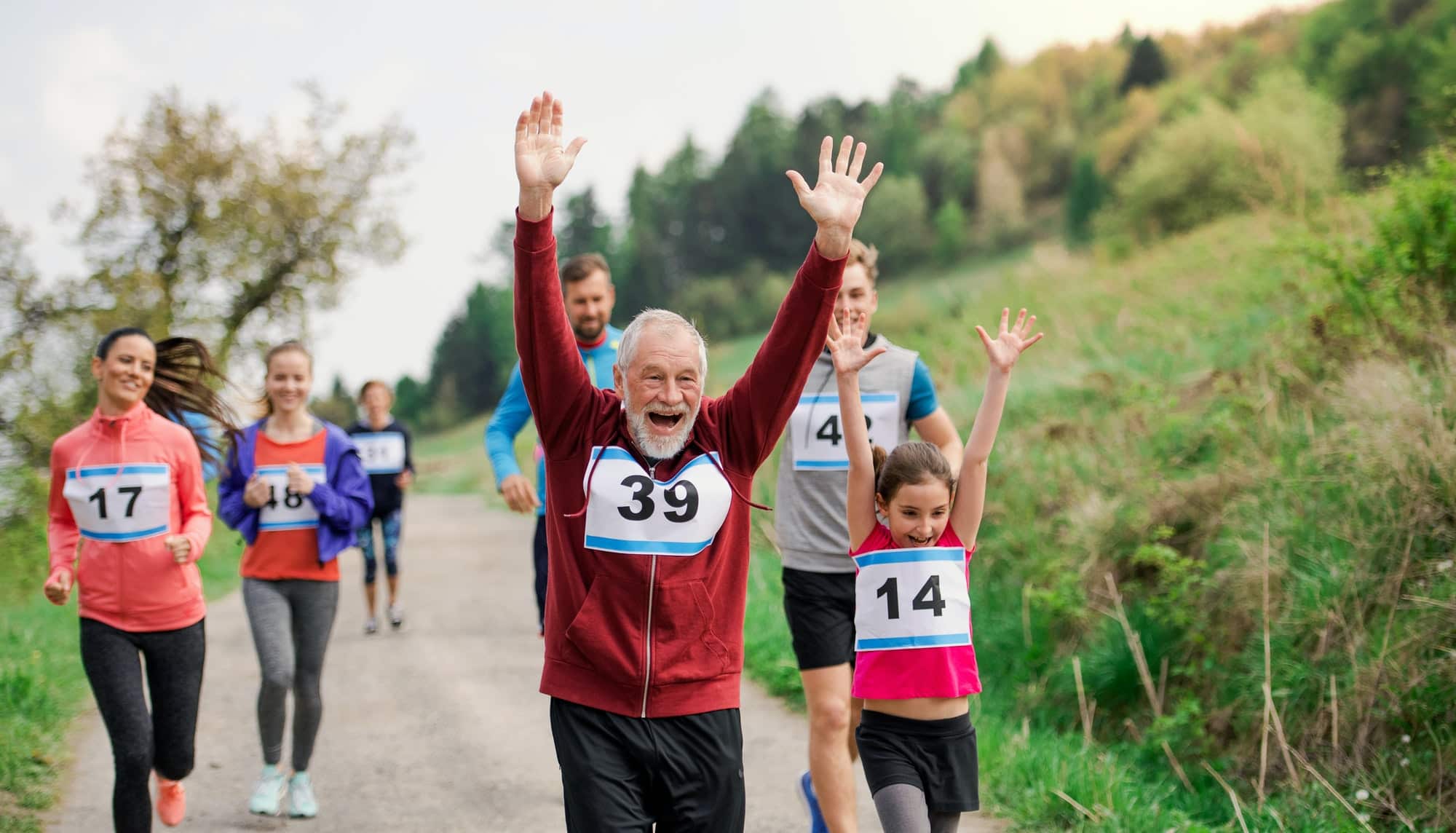
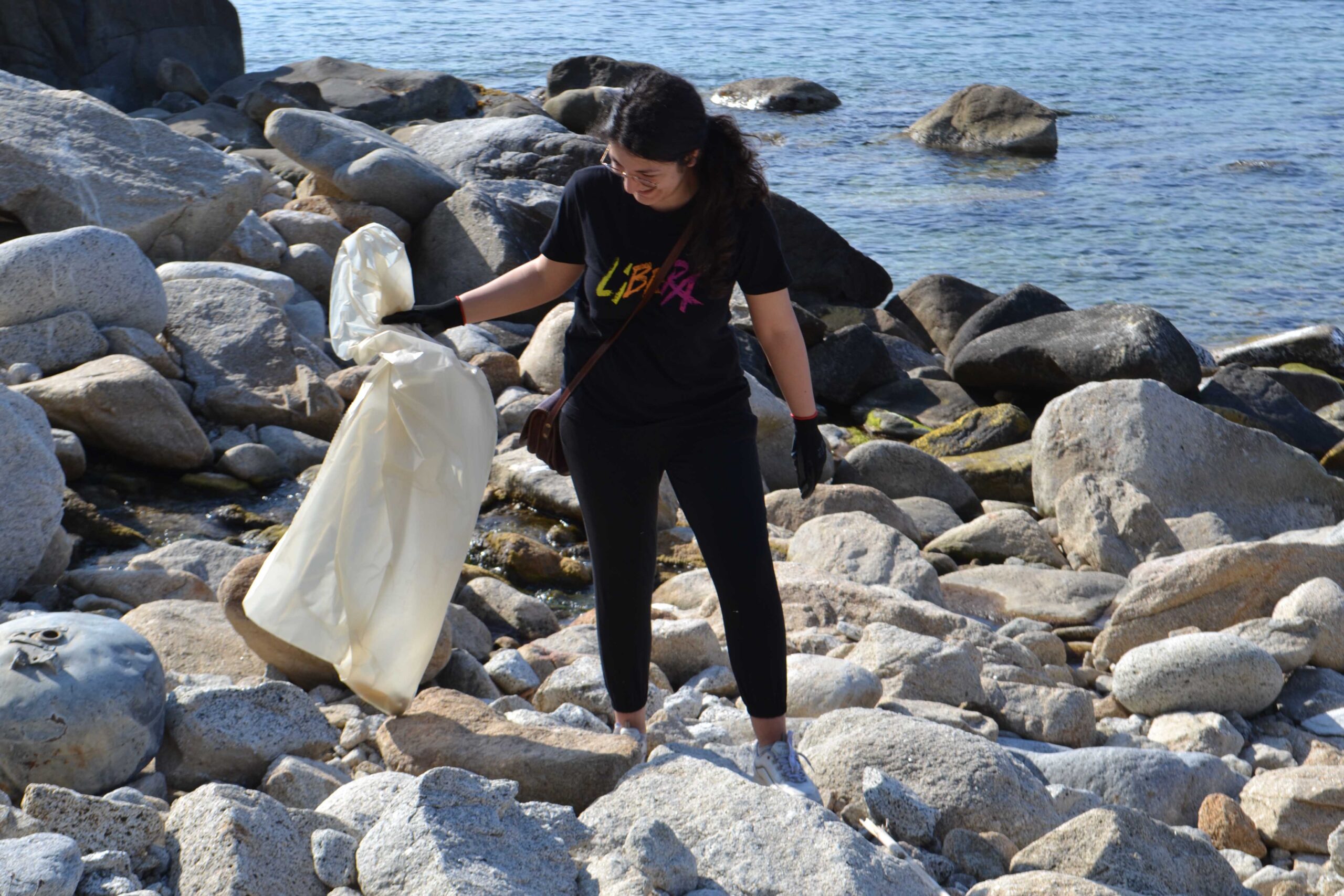
Recognizing the importance of involving young people in environmental decision-making, the EU has placed a strong emphasis on youth engagement as part of its sustainability efforts. Projects like the Erasmus+ Youth for the Environment are instrumental in this regard, offering young individuals opportunities to learn about, contribute to, and lead environmental initiatives. By equipping youth with the knowledge and skills necessary to advocate for sustainable practices, such projects help cultivate a new generation of environmental stewards committed to achieving the goals of the European Green Deal.
Erasmus+ Youth for the Environment: A Catalyst for Change
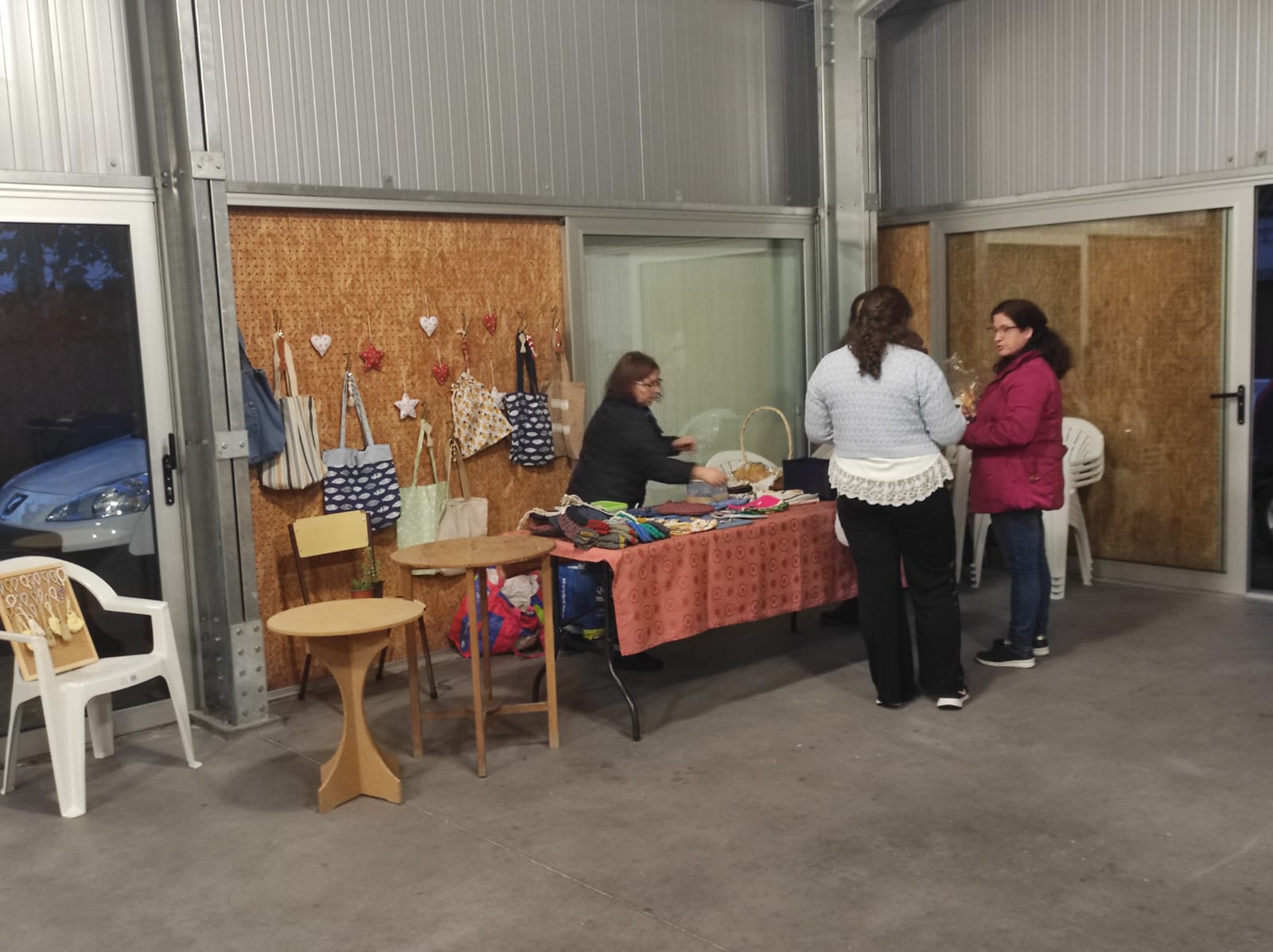
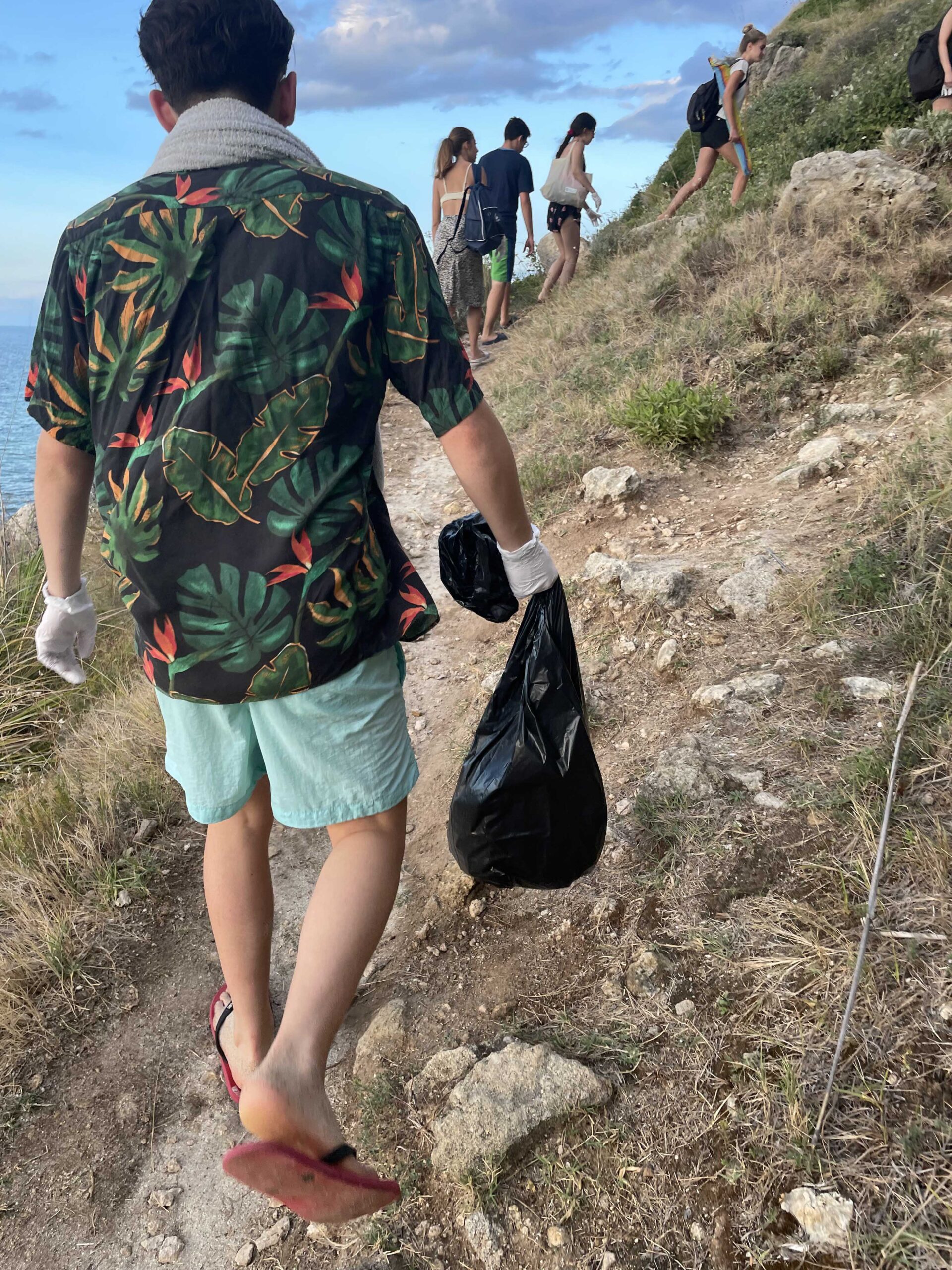
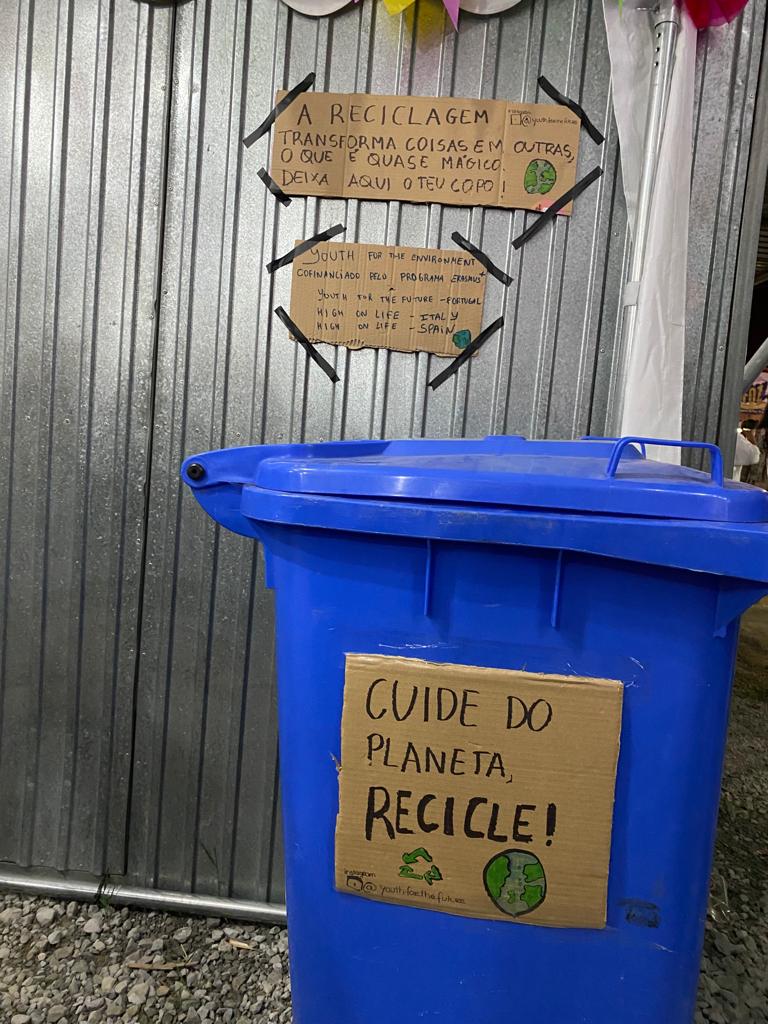
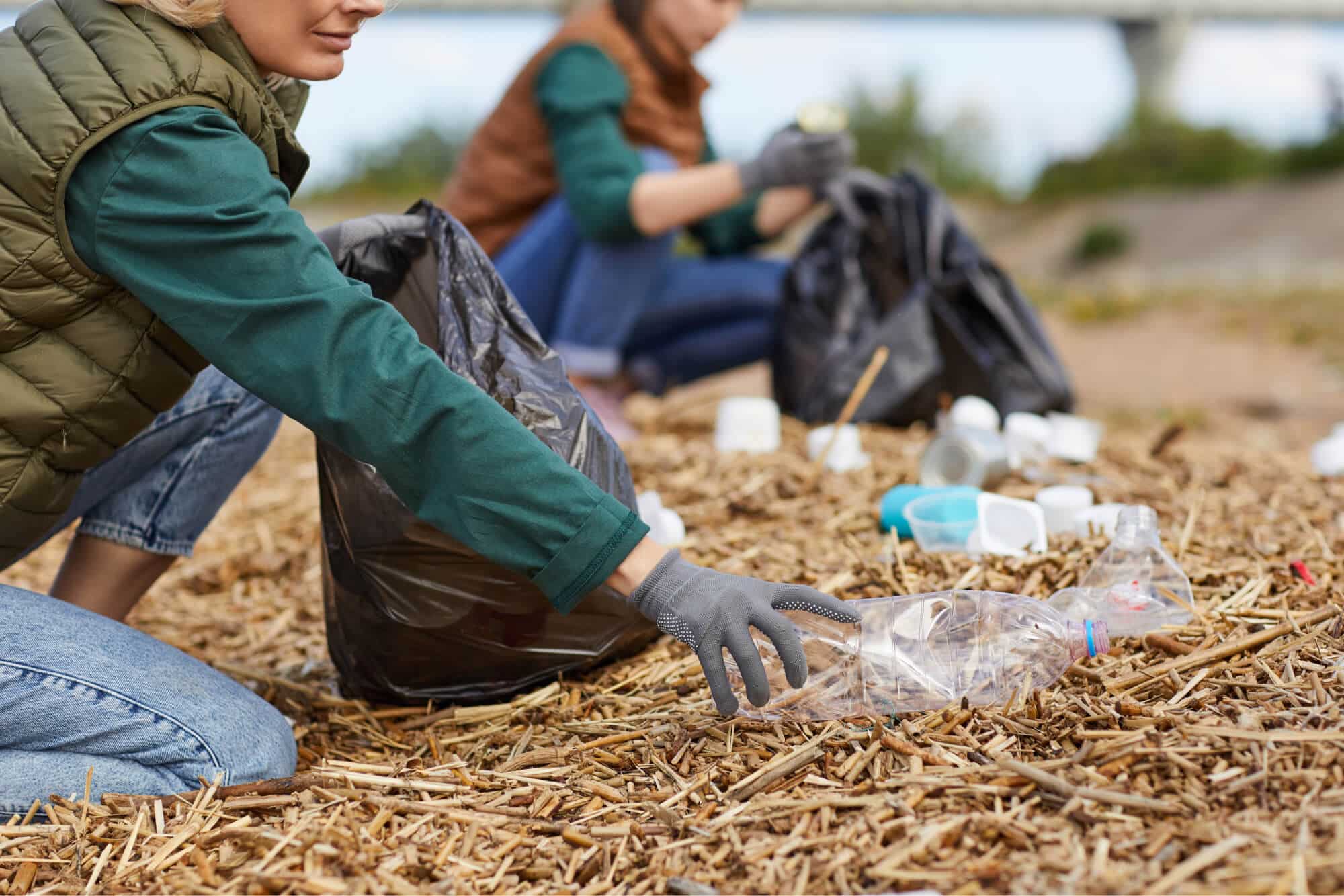
The Erasmus+ Youth for the Environment project exemplifies the EU’s commitment to integrating youth in environmental action. Through educational workshops, community projects, and cross-border collaborations, the project provides a platform for young people to engage with and contribute to EU environmental policies actively. By fostering a deeper understanding of the challenges and opportunities associated with the environmental crisis, the project helps translate the ambitious goals of the European Green Deal into tangible actions at the local and international levels.
Bridging Policy and Action
The success of EU environmental policies, including the European Green Deal, hinges on the active participation and support of its citizens, especially the youth. Projects like the Erasmus+ Youth for the Environment serve as a bridge between high-level policy initiatives and grassroots action, ensuring that the voices and perspectives of young people are heard and valued in the policy-making process. This alignment between policy and action is crucial for building resilient communities and advancing towards a sustainable future.
Conclusion
The EU’s actions on the environmental crisis reflect a comprehensive and forward-looking approach to sustainability. By prioritizing the European Green Deal and fostering youth engagement through projects like the Erasmus+ Youth for the Environment, the EU is setting a global example for environmental governance. As we move forward, the continued involvement of young people in environmental action will be critical to achieving the ambitious goals set forth by the EU, ensuring a greener, more sustainable future for generations to come.